UNDERSTANDING THE FULL PICTURE

The Side of Adoption Most People Never See

International adoption is often presented as an act of pure love. And for many families, the intention truly is to give a child a better life.

But behind the good intentions, there are parts of this system that remain hidden from public view realities that affect real children and real families in ways that deserve to be understood.

Not Every Child in the System Is an Orphan

UNICEF estimates that over 80% of children in orphanages worldwide have at least one living parent. Many children placed in international adoption have living parents, grandparents or extended family members who love them. In many cases, families are separated because of poverty not because they don't want their children. When a family can't afford food, school fees or medical care, the system sometimes steps in and removes the child instead of supporting the family.

Consent Is Not Always Informed

In country after country, investigations have revealed that birth certificates are forged, parental consent forms are obtained through coercion or deception and children's identities are changed to make them eligible for international adoption.

In some cases, birth families sign documents they don't fully understand. They may be told their child will receive an education and return home only to discover later that the adoption was permanent. Language barriers, illiteracy, and power imbalances make true informed consent extremely difficult to guarantee.
The Financial Side of Adoption

International adoption is a multi-billion dollar industry. International adoption involves significant fees often between $20,000 and $50,000 or more. While many of these costs are legitimate, the large sums involved can create pressure to maintain a steady flow of 'adoptable' children. When money is part of the equation, it's important to ask who benefits and whether the child's best interest is truly the priority.

Identity and Cultural Disconnection

Children adopted across countries and cultures often grow up without access to their language, traditions or community. This disconnect can lead to a deep sense of not fully belonging not in their adoptive country and not in the country they were born in. Identity is not something that can be replaced. It's something that needs to be understood and honored.

The Emotional Reality

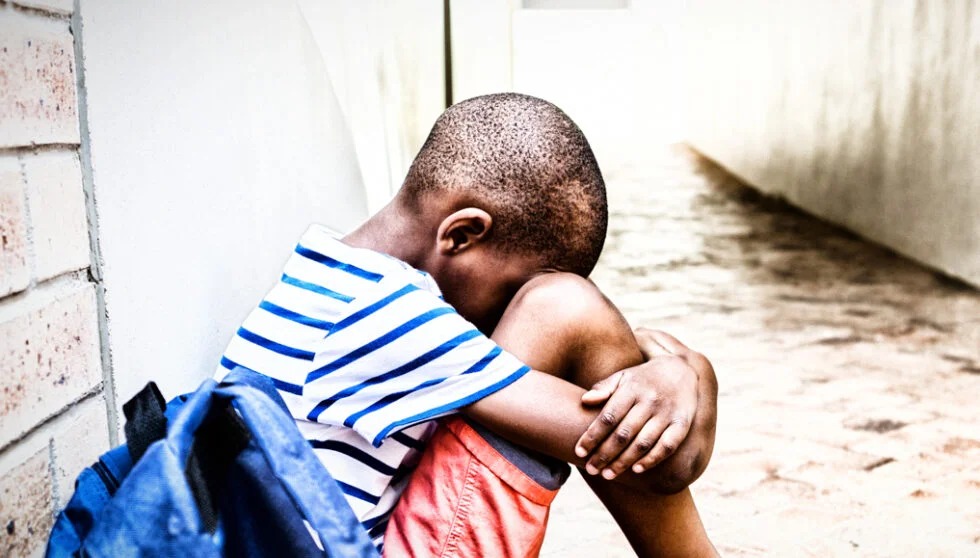
Research consistently shows that children separated from their birth families especially across cultures and countries experience profound identity confusion, attachment disorders, grief and trauma that can last a lifetime.

Research and firsthand accounts consistently describe the emotional challenges many adoptees face including grief over lost family connections, confusion about their origins and struggles with self-identity. These are not signs of failure. They are natural responses to an extraordinary life experience that deserves recognition and support.

False Narratives of Rescue

The dominant narrative portrays international adoption as rescuing children from poverty. But research and lived experiences reveal a different story one of loss, exploitation and the commodification of children from the Global South.

See it for yourself

Sometimes words aren't enough. These videos bring you closer to the experiences of those directly affected.

This short film explores the experiences of families in developing countries whose children were adopted internationally and what happened after.

Hearing from birth families helps us understand that adoption affects more than just the child. It changes entire families and communities.

Now That You Know

Awareness is powerful. Share what you've learned, support

affected families, or keep exploring.

© 2026 Protect The Children. All rights reserved.